

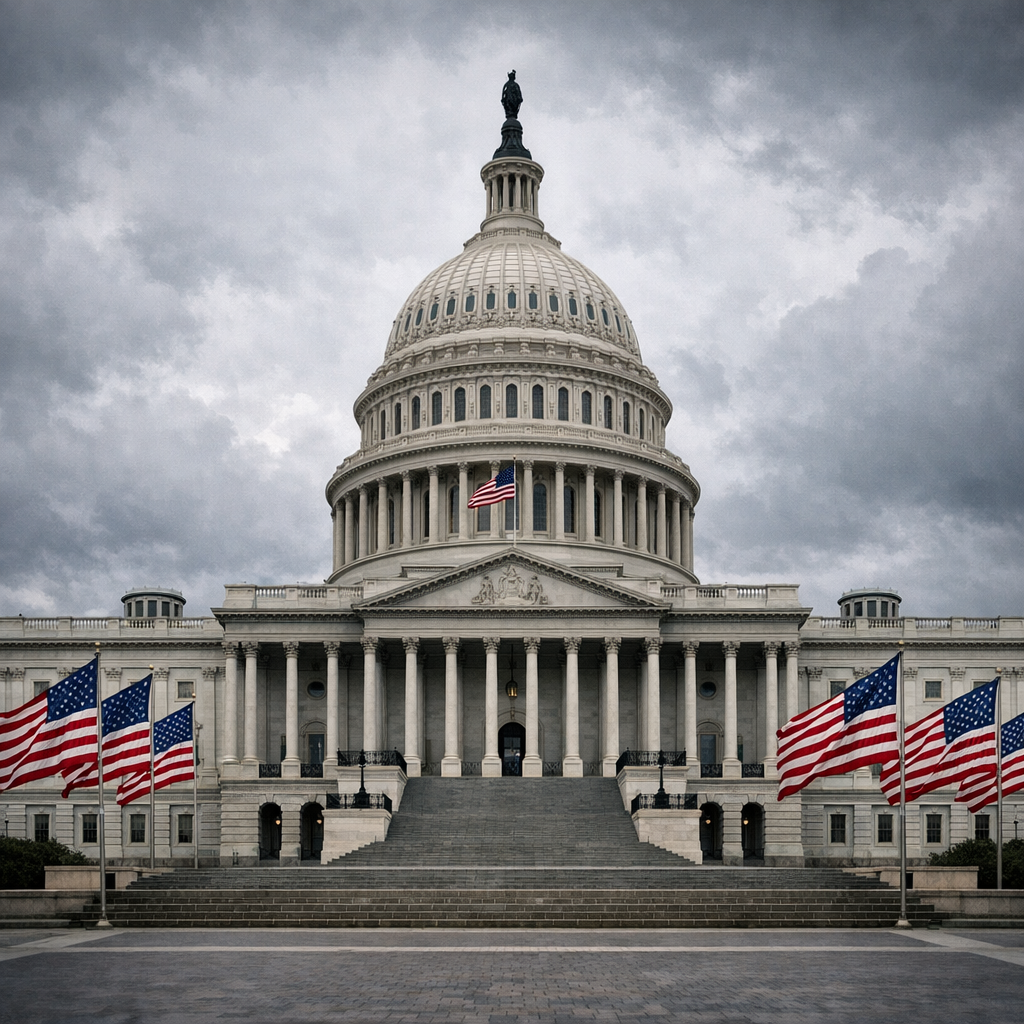
Here in San Mateo and across the U.S., headlines are being dominated not by fleeting scandals but by structural tensions: economic pressures, political polarization, and questions about how government institutions perform—and whether they still command trust. As we head into a high-stakes midterm season, these enduring themes seem more central than ever.
Economic Realities vs. Political Narratives
President Donald Trump has repeatedly promoted the idea that the nation is on the brink of an economic boom. However, even with recent solid job growth and gains in the stock market, broader assessments tell a more mixed story. Inflation remains elevated, housing is increasingly unaffordable, and many Americans report uncertainty about where the economy is headed. Some long-term trends—income inequality, regional disparities, and a shrinking savings cushion—aren’t eased by short-term wins.
Wildcards in the Midterm Elections
As the November elections approach, political operatives are placing big bets. One prominent effort: a $10 million ad campaign targeting the Texas U.S. Senate race, oriented around economic messaging tailored to local concerns. At the same time, cases working their way through the courts—such as challenges to voting laws and boundaries of executive authority—could either energize voters or fuel division. The outcomes may tip margins in both houses of Congress.
Congress and Legislation: Slow Grind, Big Stakes
The 119th Congress has introduced well over 18,000 bills, yet fewer than 150 have become law—underscoring how limited legislative productivity has become in deeply divided times. Key areas of debate include national security, trade, housing, and energy policy. Vote counts and committee actions make clear that much of Congress’s work now is happening behind the scenes, through negotiations, amendments, and procedural votes—sometimes with immediate effects, sometimes with shadowy ones.
Institutional Trust: A Fragile Resource
Beyond policy debates, Americans are wrestling with degraded trust in institutions. Disputes over Supreme Court rulings—especially those that expand executive power—fuel concerns among businesses, civil society, and citizens about the balance of power. Meanwhile, trade friction (for example, with Canada) and foreign policy challenges, especially involving Iran and global supply lines, reveal how external pressures test domestic stability.
For San Mateans keeping an eye on national news, these aren’t just distant stories—they’ll influence inflation, housing costs, regulations, and even who represents you in Washington. As voters acclimate to this new tension mix, midterms may serve as a referendum not only on current leadership, but on deeper institutions and whether they still serve the common good.